14 October 2026


The Islamic Bank of Thailand (ibank) convened leaders, financial institution executives, and Islamic finance experts from Thailand and abroad at the international forum “Islamic Finance: From Crisis Resilience to Transition Finance.” Building on Thailand’s hosting theme, “Thailand’s New Horizons: Empowering People, Building Resilience,” the forum explored how Islamic finance can strengthen economic resilience, mobilize capital for sustainable transitions, and unlock new opportunities for Thailand and ASEAN. A key highlight was a keynote address by the Chairman of the Islamic Development Bank (IsDB) Group, who shared his vision for the future of Islamic finance, emphasizing strong governance, institutional integrity, and sustainable development.
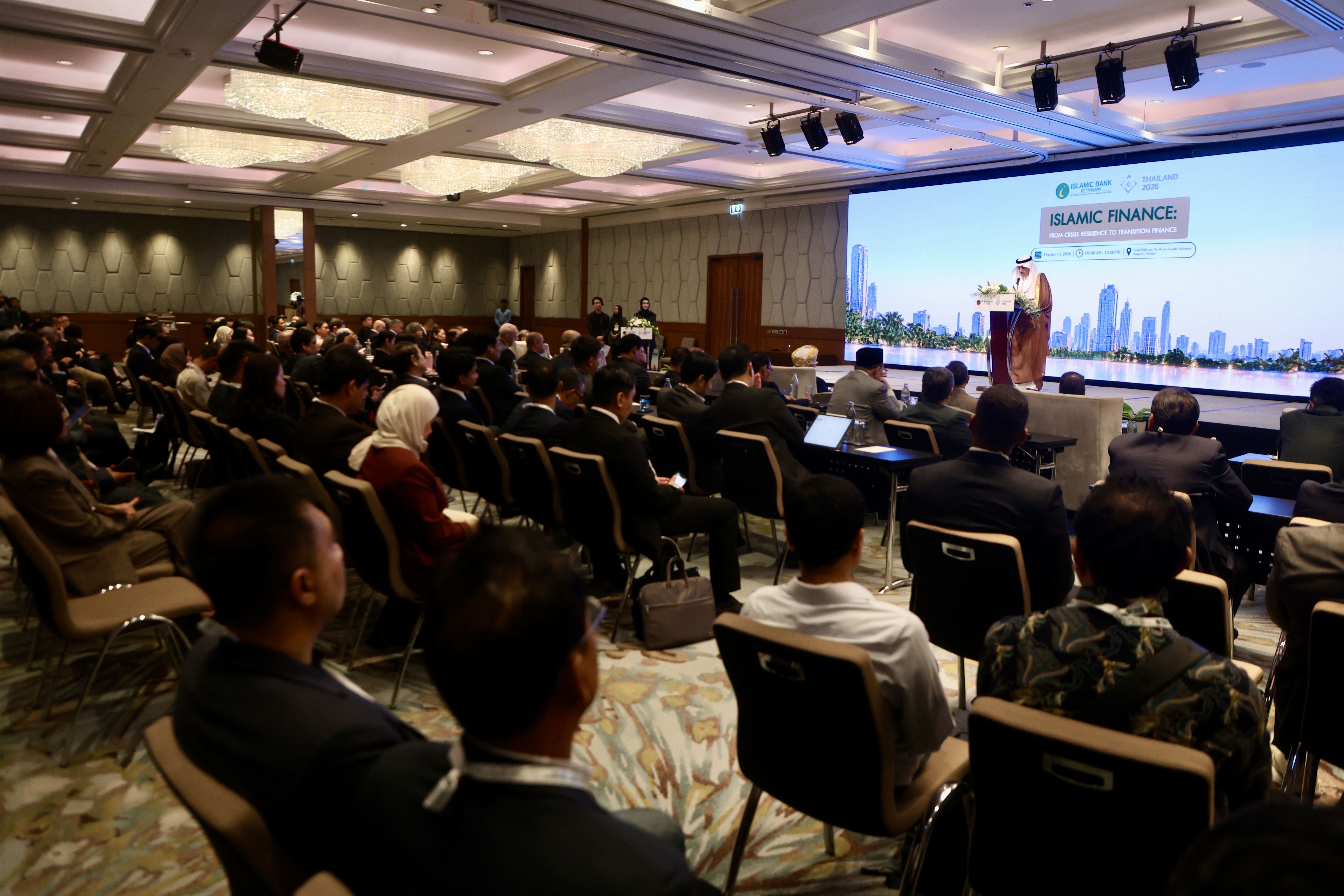
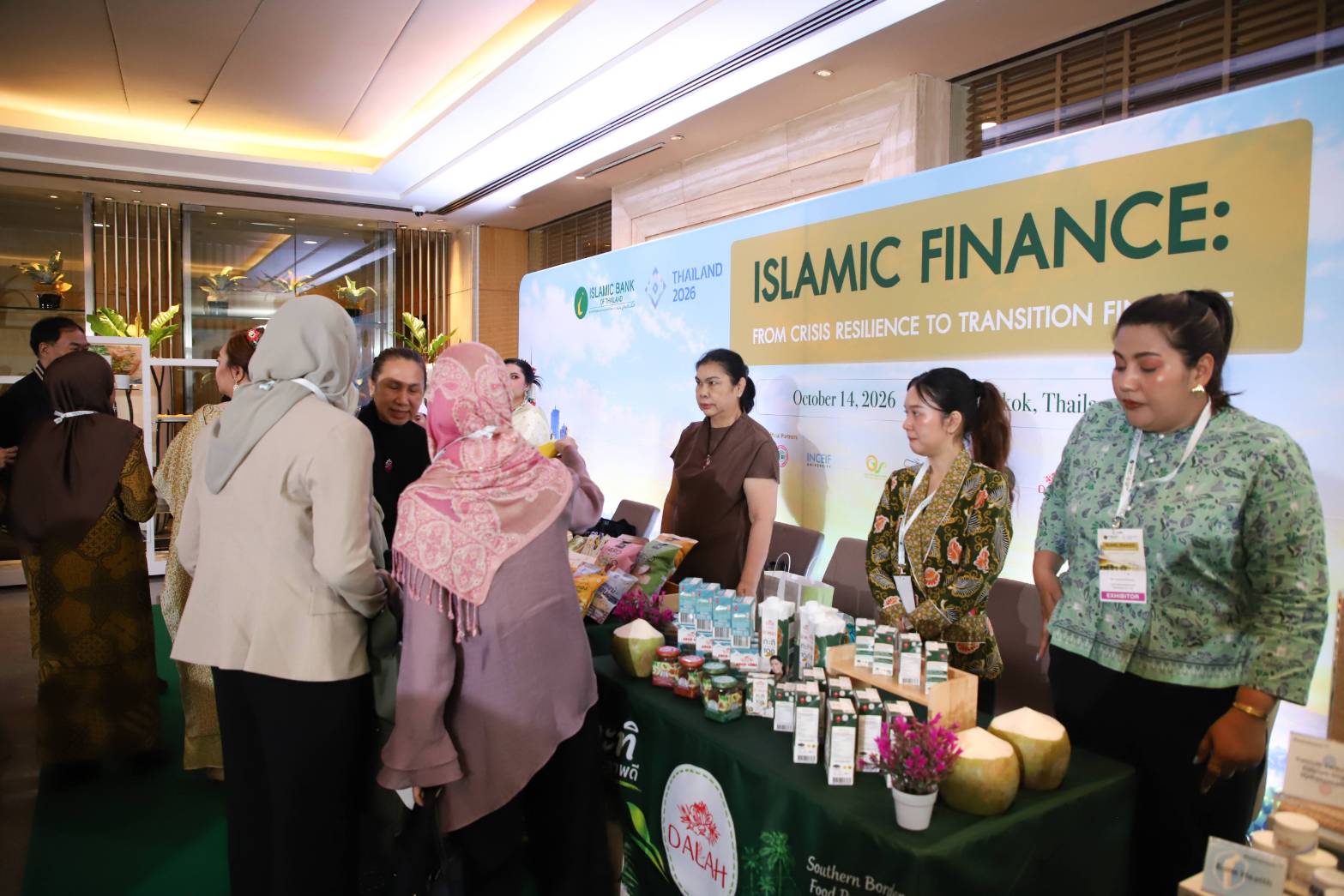
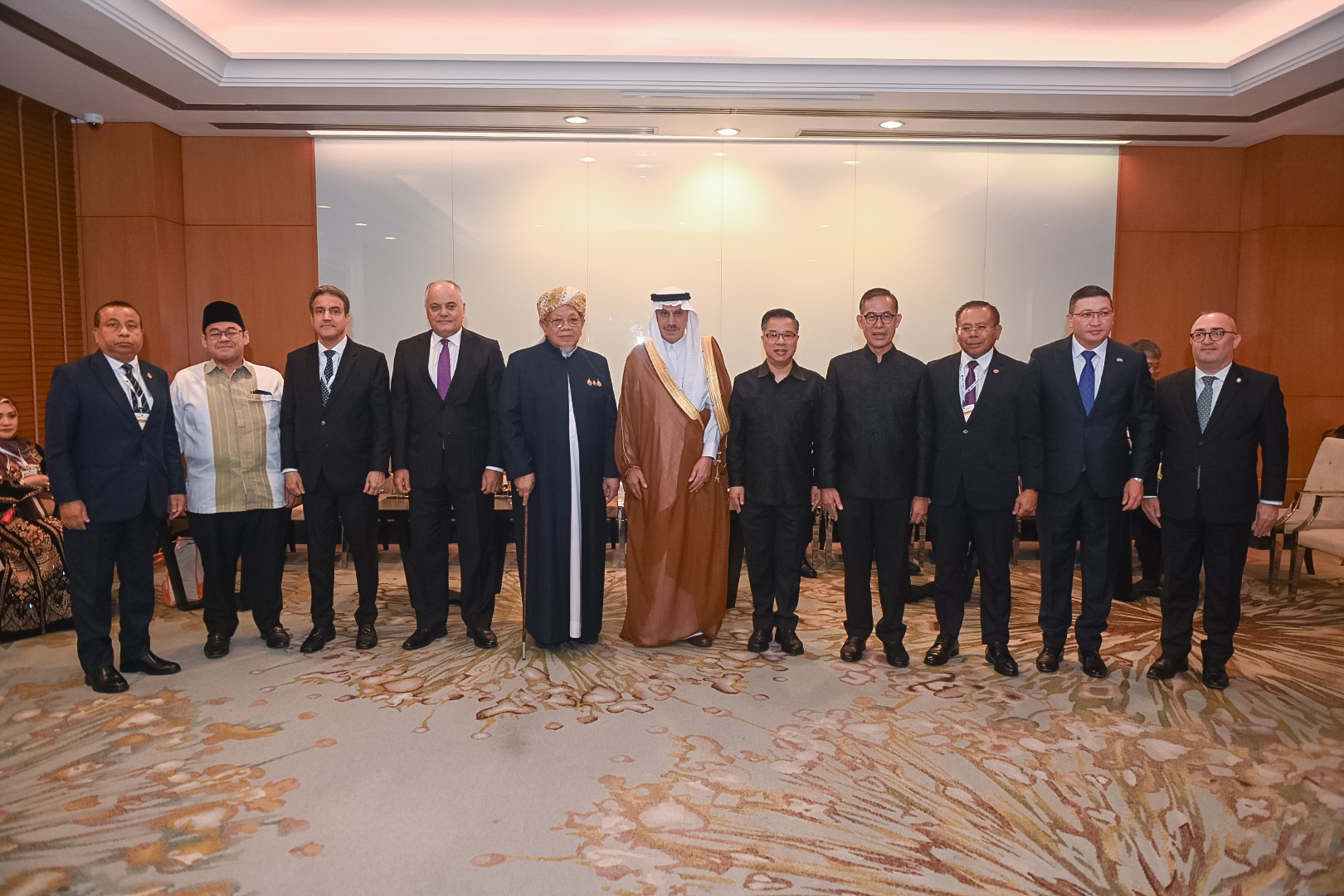
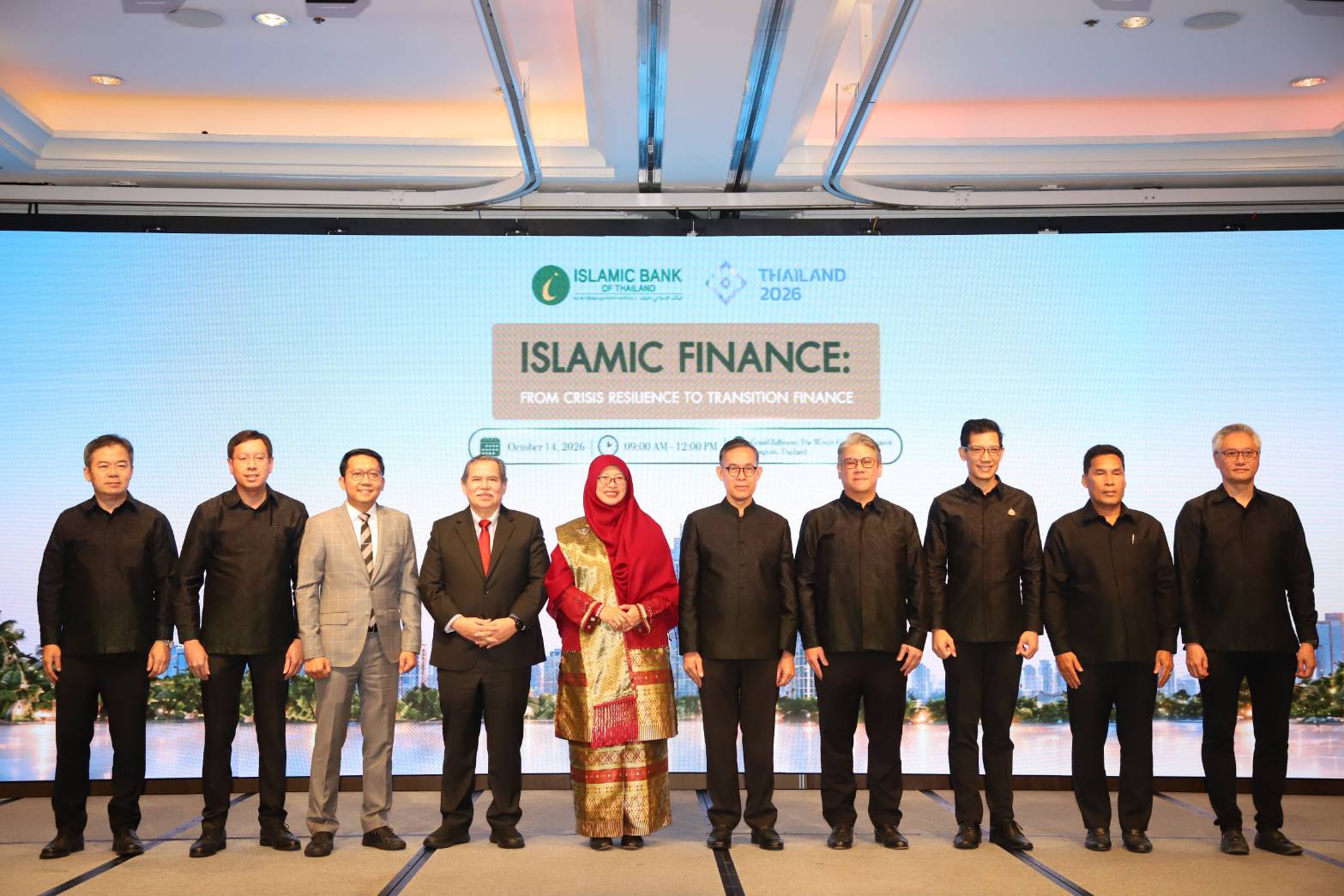
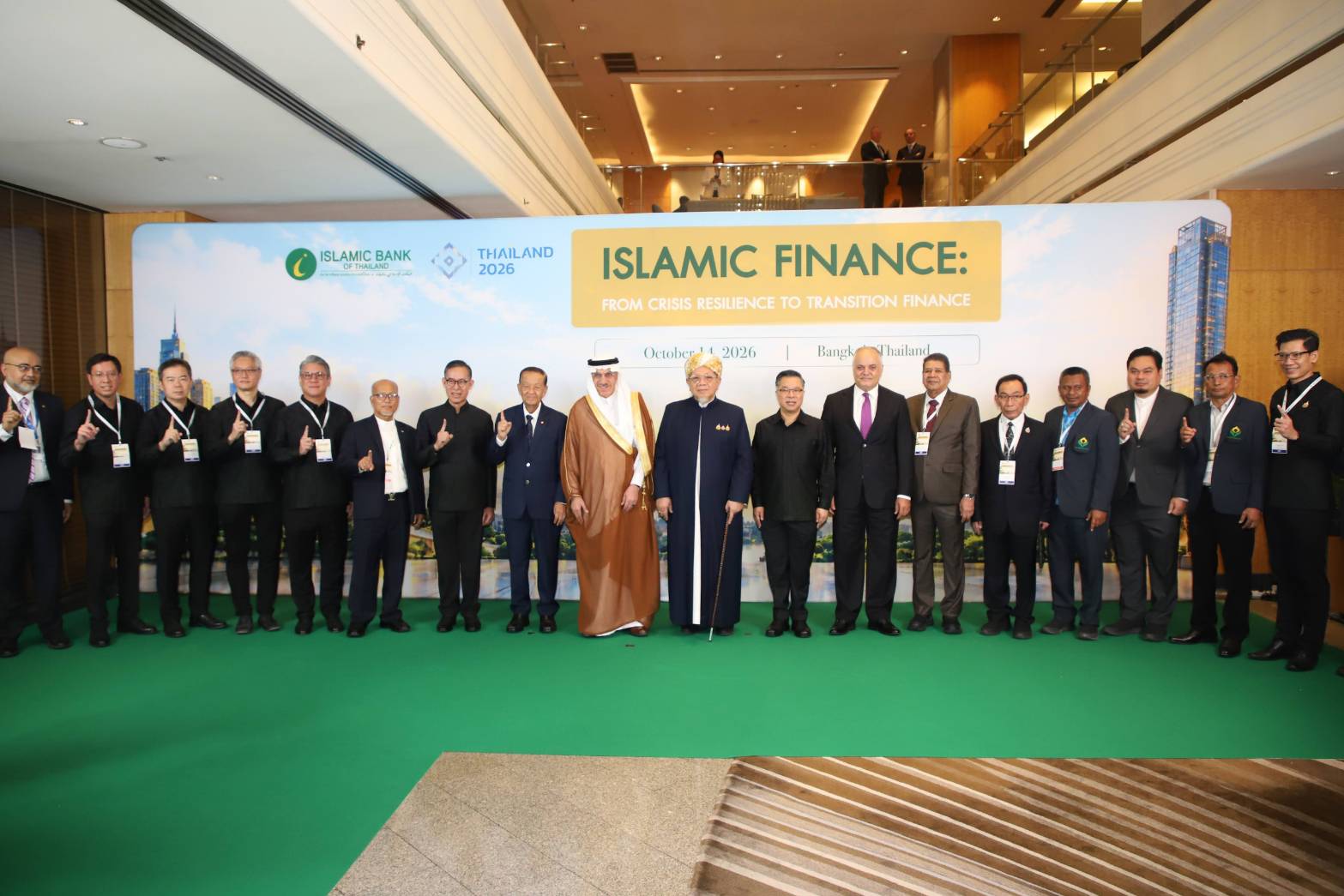
On 14 October 2026, Bangkok, the Islamic Bank of Thailand (ibank), in collaboration with the International Islamic Economics and Finance Conference for Sustainable Development (IFESDC), hosted the international forum “Islamic Finance: From Crisis Resilience to Transition Finance” as an Affiliated Program of the 2026 Annual Meetings of the International Monetary Fund (IMF) and the World Bank Group, hosted by Thailand. The event brought together senior dignitaries, diplomatic representatives, financial institution executives, academics, and participants from Thailand and abroad, with more than 100 registered attendees.
The forum aligned with Thailand’s Annual Meetings theme, “Thailand’s New Horizons: Empowering People, Building Resilience,” highlighting the role of Islamic finance in strengthening economic resilience, expanding financial inclusion, mobilizing capital for sustainable development, and fostering financial and investment cooperation between ASEAN and the global Islamic finance community.
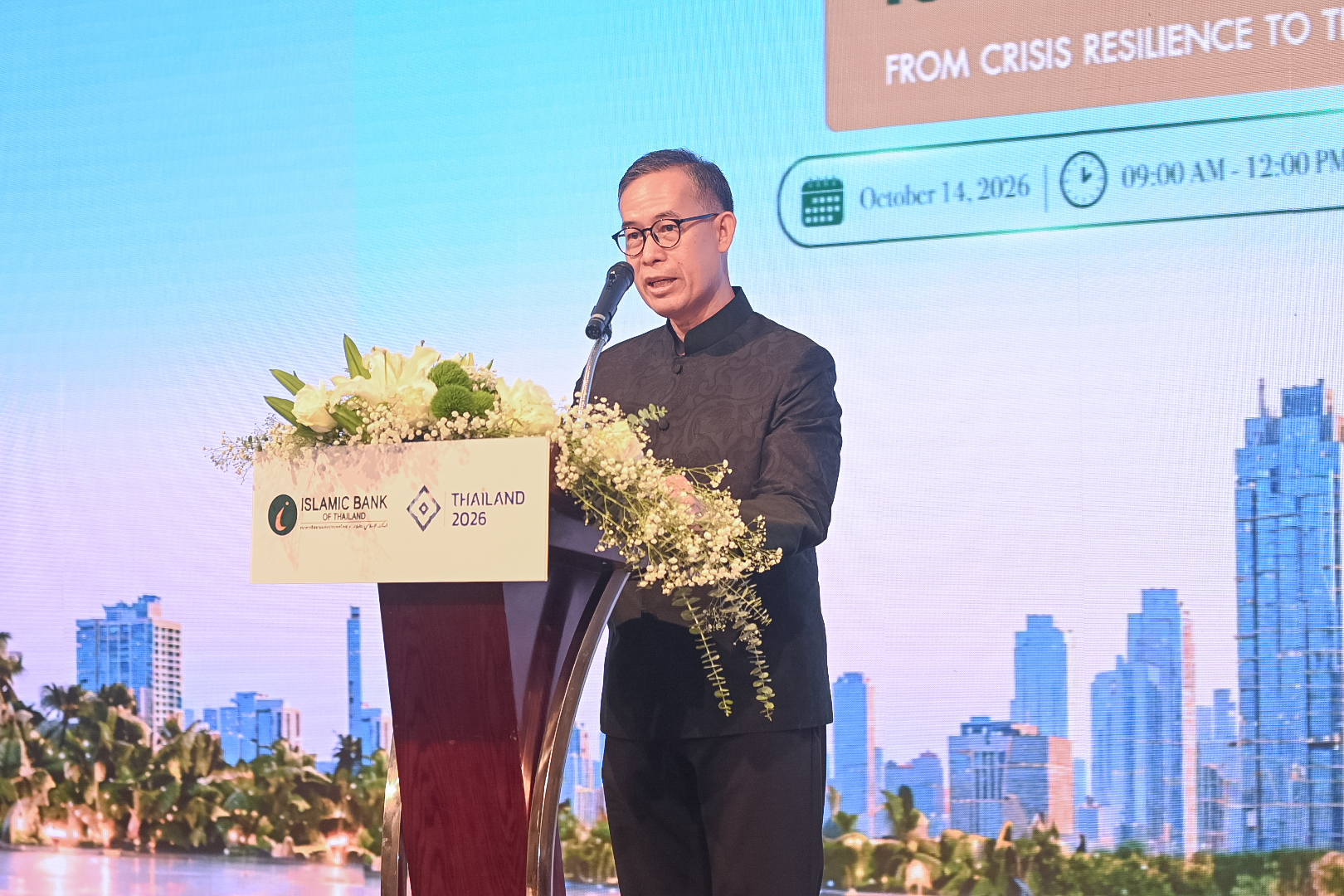
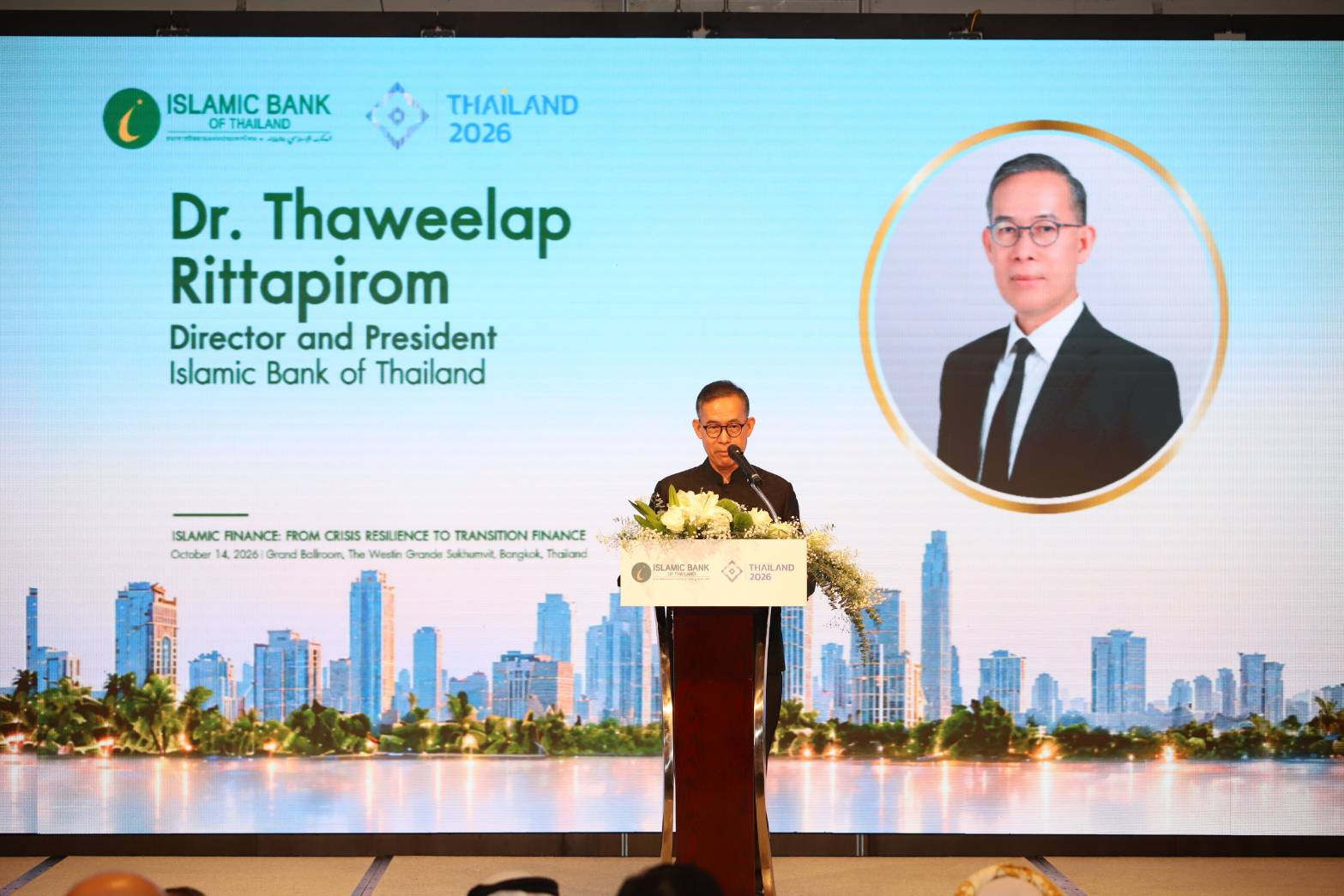
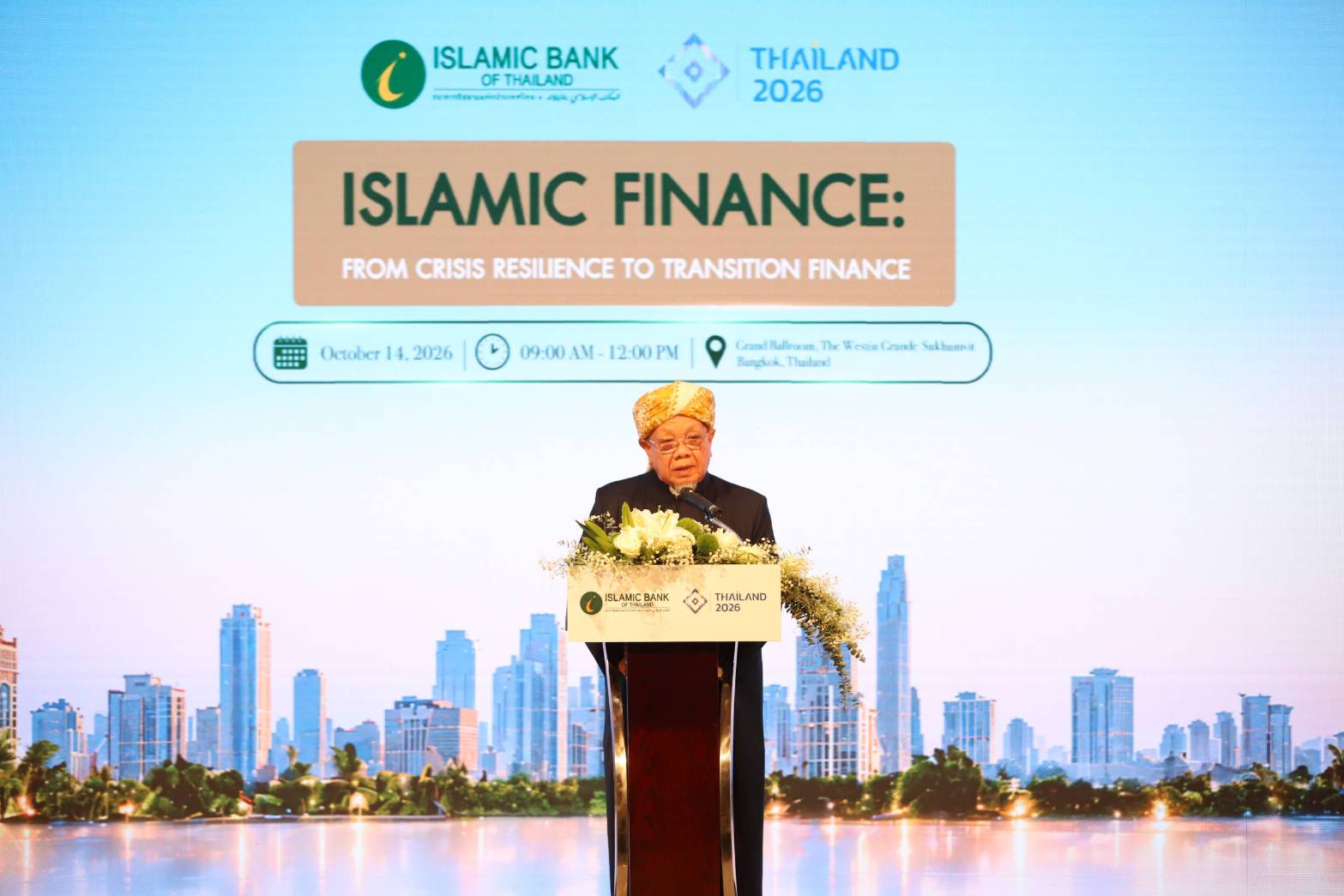
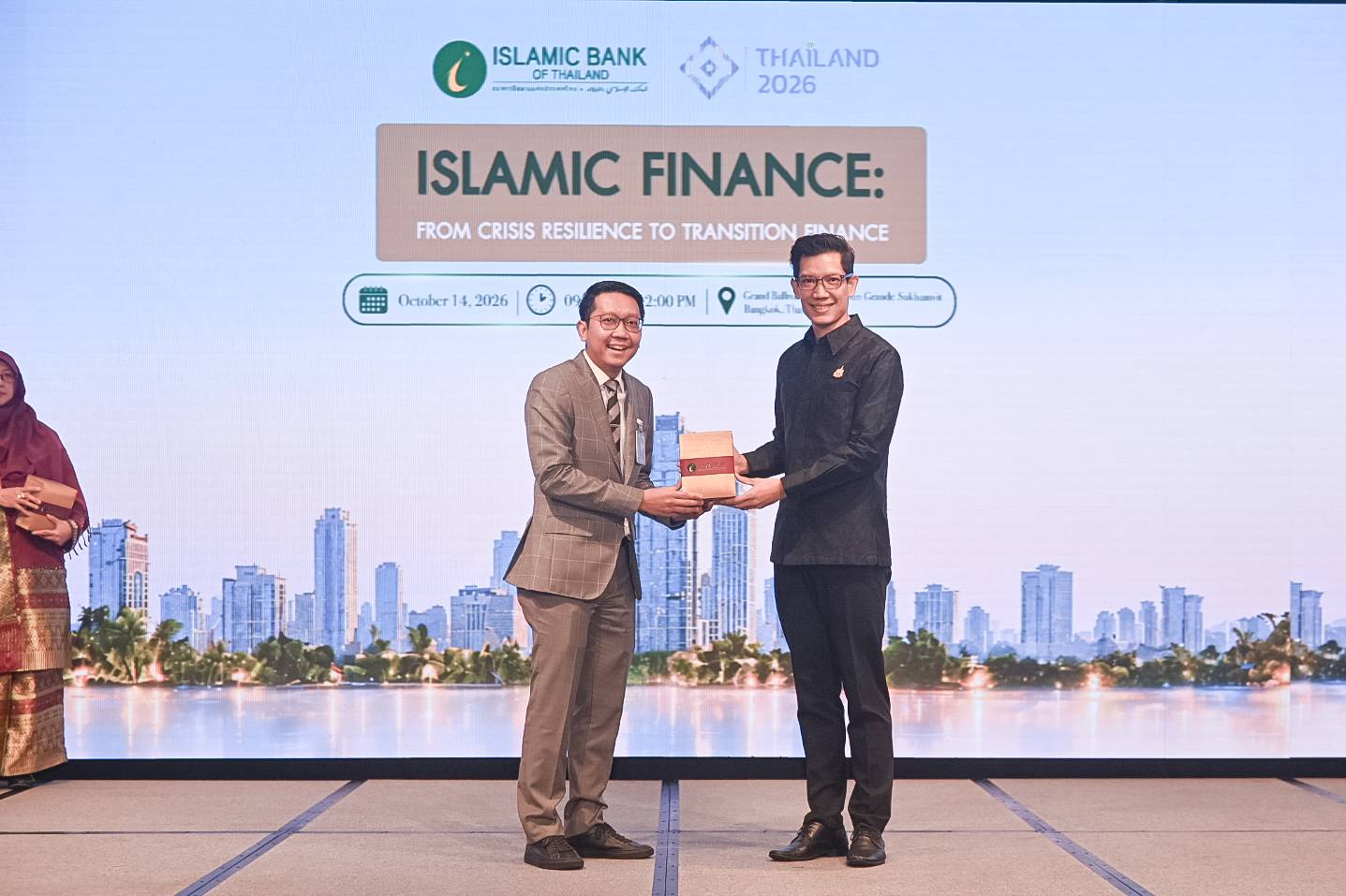
Dr. Thaweelap Rittapirom, Director and President of the Islamic Bank of Thailand, delivered the welcome remarks, emphasizing the important role of Islamic finance in building a more resilient, inclusive, and sustainable global economy.
“Islamic finance has an important role to play in strengthening the global economy, enhancing its ability to withstand crises, promoting financial inclusion, and supporting sustainable growth. By linking finance to real economic activities and encouraging risk-sharing and shared responsibility, Islamic finance serves not only as a mechanism for building resilience during times of crisis but also as an important instrument for supporting the transition toward a greener and more inclusive economy.
“Thailand is well positioned to serve as a bridge between ASEAN and the wider Islamic finance community, supported by its strategic geographical location, strong halal industry, and growing opportunities for international cooperation. The Islamic Bank of Thailand is therefore committed to strengthening its institutional capabilities to become Thailand’s Gateway to Islamic Finance, connecting international financial partners, mobilizing capital for sustainable development, and creating new economic opportunities for SMEs and Thai businesses,” Dr. Thaweelap said.
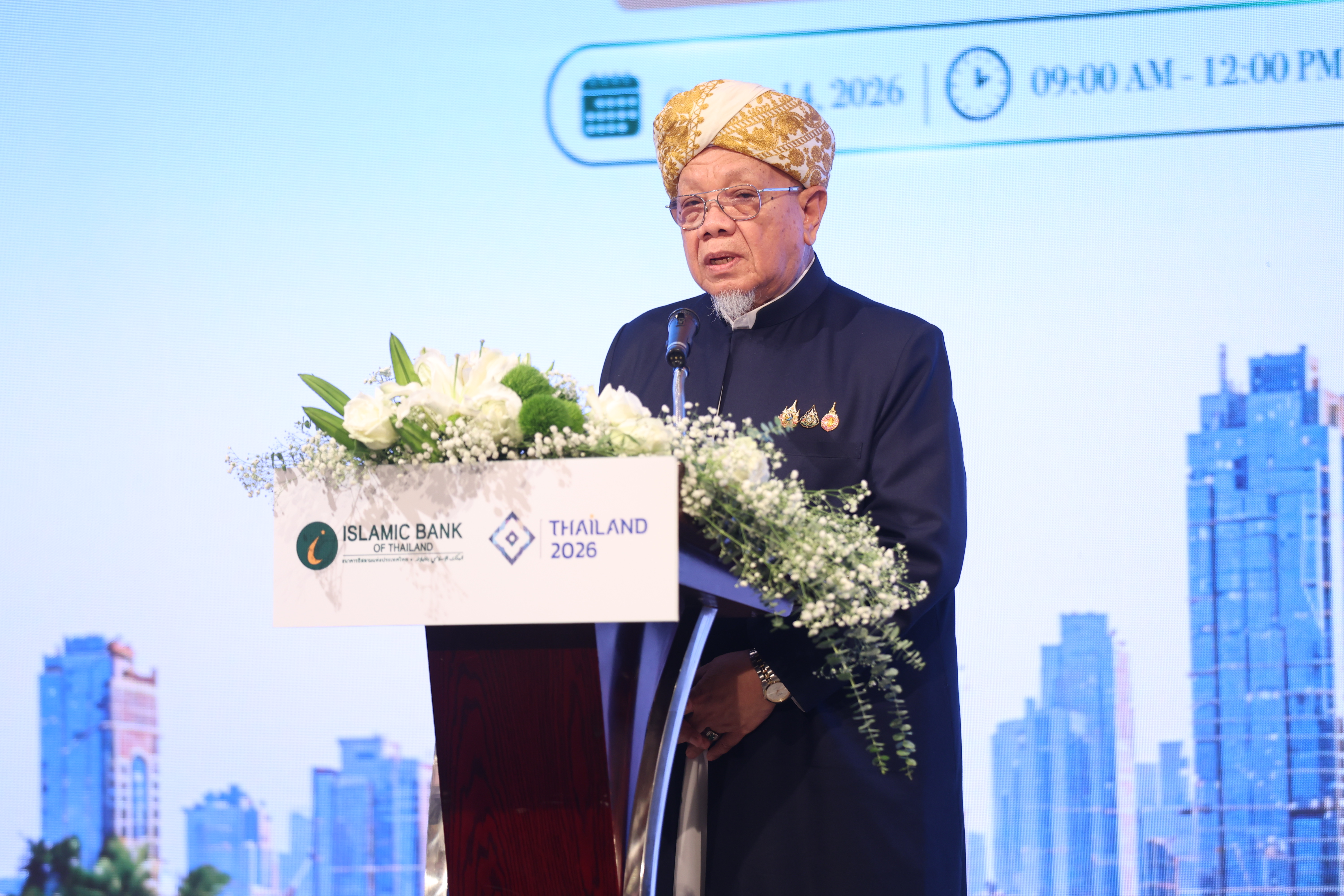
His Eminence Mr. Aroon Boonchom, the Sheikhul Islam of Thailand, subsequently delivered the official opening remarks, emphasizing that Islamic finance is more than a system of financial services. It represents an approach to economic development grounded in ethics, justice, and responsibility, guided by the higher objectives of Shariah, or Maqasid al-Shariah, which promote fairness, equity, equitable risk-sharing, and the well-being of society.
His Eminence also expressed appreciation for the continued support of the Royal Thai Government and the Ministry of Finance for the Islamic Bank of Thailand, recognizing the Bank's role in connecting Thailand with the global Islamic economy and providing Shariah-compliant financial services to people from all backgrounds, regardless of race or religion.
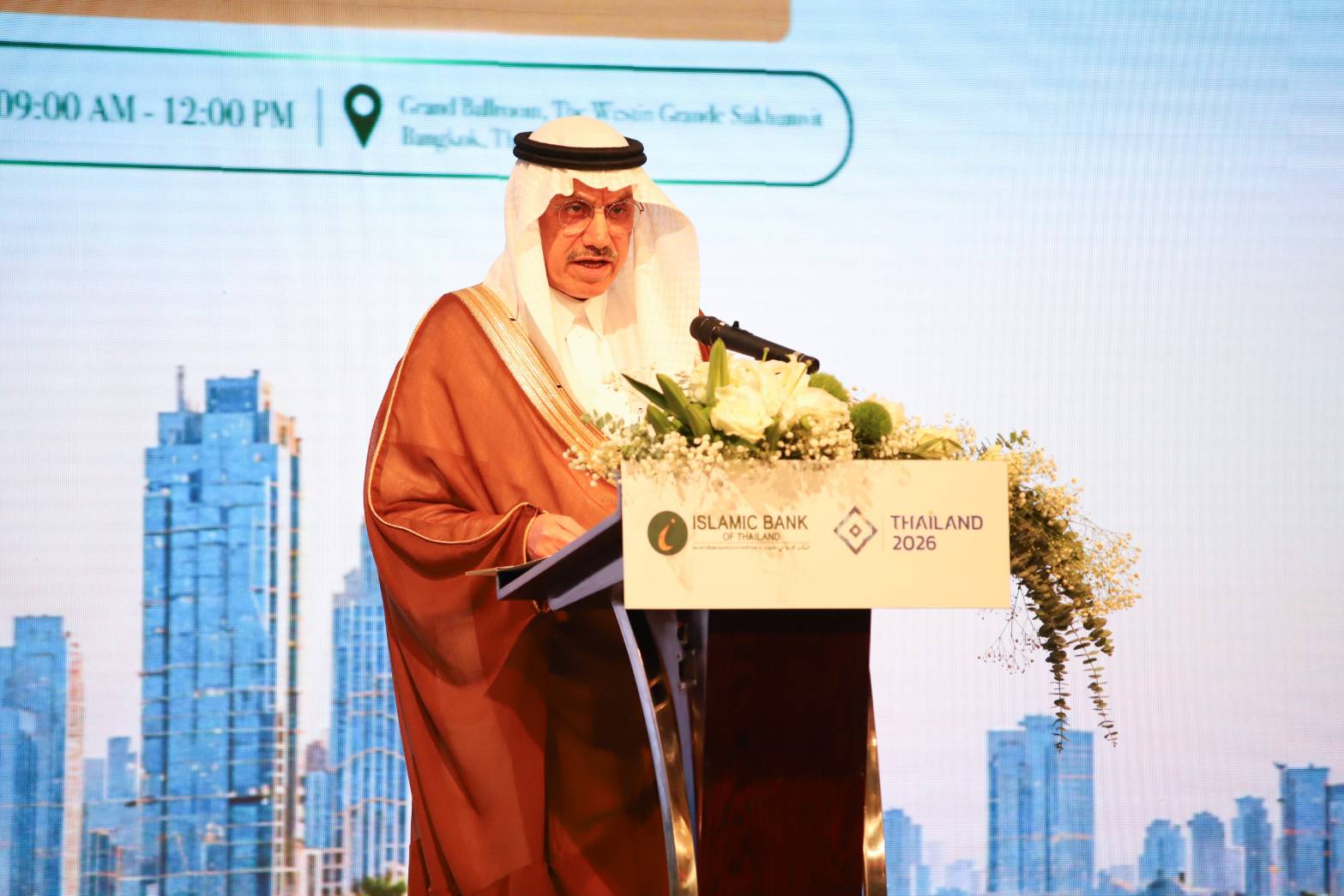
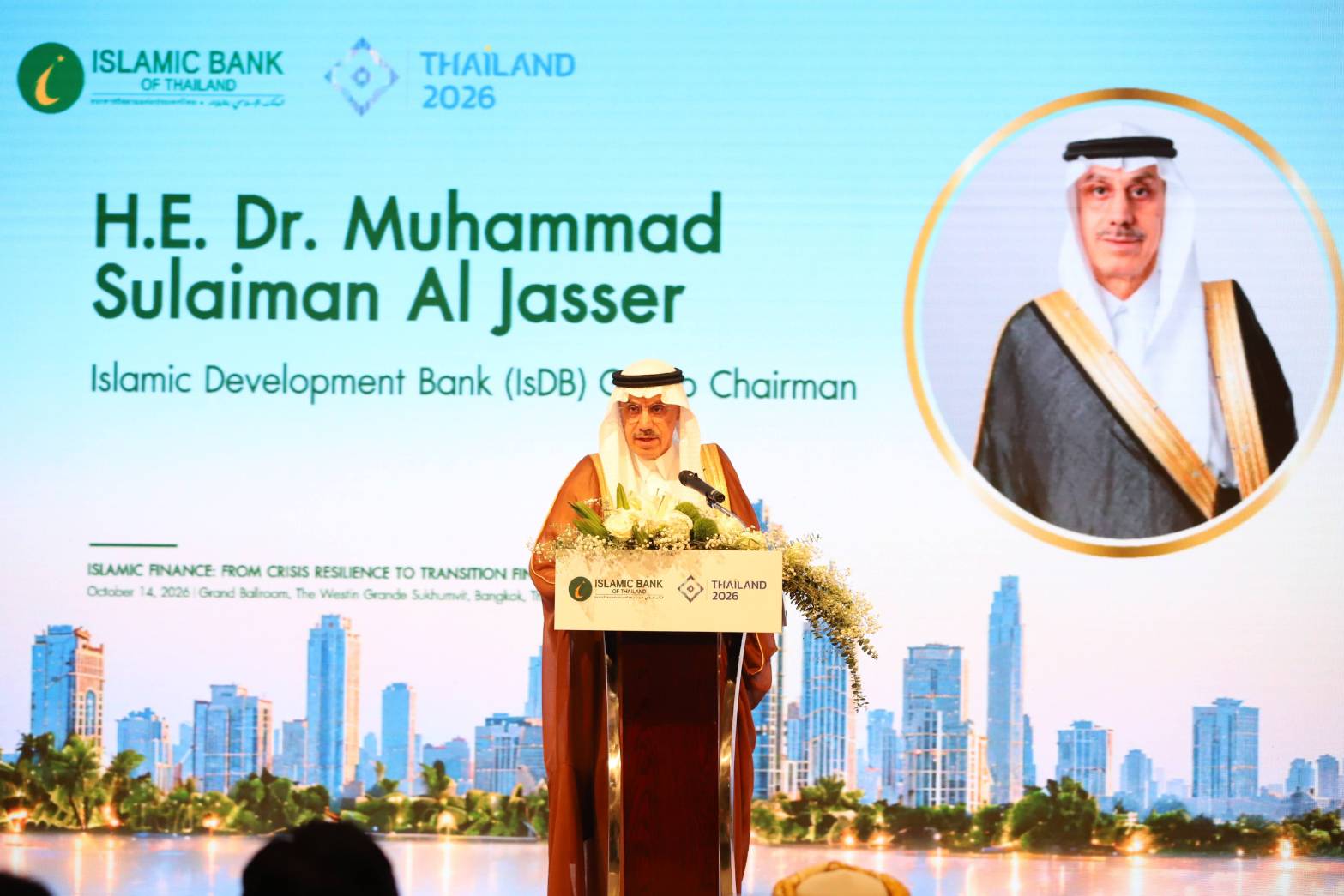
A major highlight of the forum was the keynote address by H.E. Dr. Muhammad Sulaiman Al Jasser, Chairman of the Islamic Development Bank (IsDB) Group, who reflected on the evolution of Islamic finance from a niche financial system into a multi-trillion-dollar global industry. He highlighted its growing capacity to mobilize long-term financing for infrastructure development, energy and food security, digital transformation, and inclusive economic growth.
Dr. Al Jasser stated:
“Islamic finance has evolved from a niche financial system into a multi-trillion-dollar global industry, with significant potential to strengthen economic resilience, promote inclusive growth, and advance sustainability. Rooted in the principles of fairness, shared responsibility, risk-sharing, and strong linkages to the real economy, Islamic finance can serve as an important mechanism for mobilizing long-term capital to support sustainable infrastructure, energy and food security, digital transformation, and inclusive economic development.
“However, unlocking this potential requires more than financial innovation or the introduction of new financial instruments. The future of Islamic finance will depend not just on how much capital we mobilize, but also on the quality, integrity, and effectiveness of the institutions through which that capital is managed and deployed. Sound corporate governance, transparency, accountability, and prudent risk management are therefore fundamental to building trust in financial institutions and strengthening the long-term credibility of the Islamic financial system.
“The Islamic Development Bank has played an important role in establishing and strengthening the global Islamic finance ecosystem, including the development of the sukuk market. Since its inception, IsDB has issued approximately US$60 billion in sukuk, mobilizing financing to support sustainable development. At the same time, Thailand's progress in developing its Islamic finance sector, including the growth and development of the Islamic Bank of Thailand, demonstrates the opportunities that can emerge when vision and commitment are supported by strong institutional foundations.
“As Islamic finance continues to expand across ASEAN and globally, our shared priority must be to build trusted financial institutions capable of mobilizing and managing capital responsibly, while translating financial innovation into tangible and sustainable development outcomes. The Islamic Development Bank remains committed to serving as a strong partner in advancing this shared vision.”
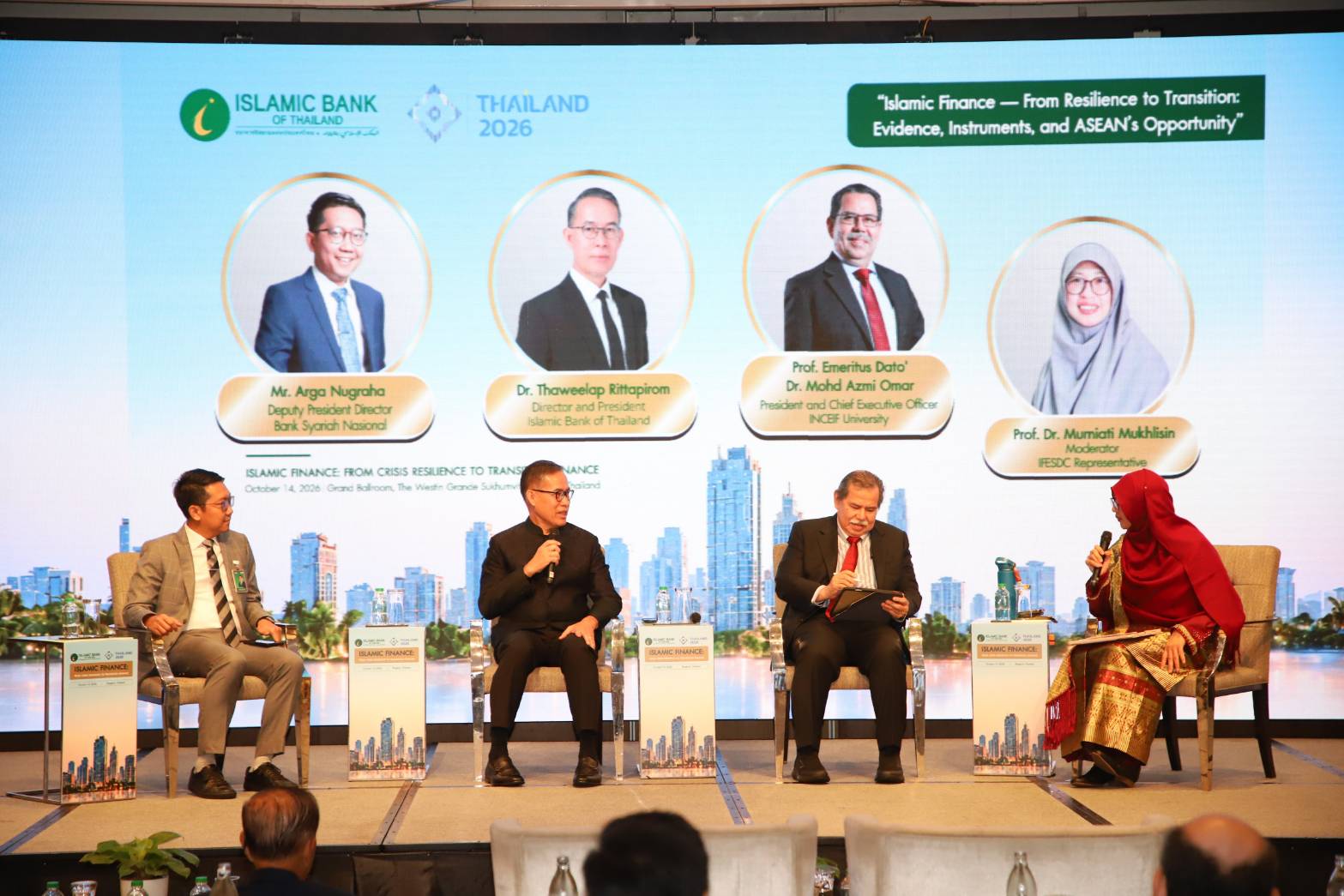
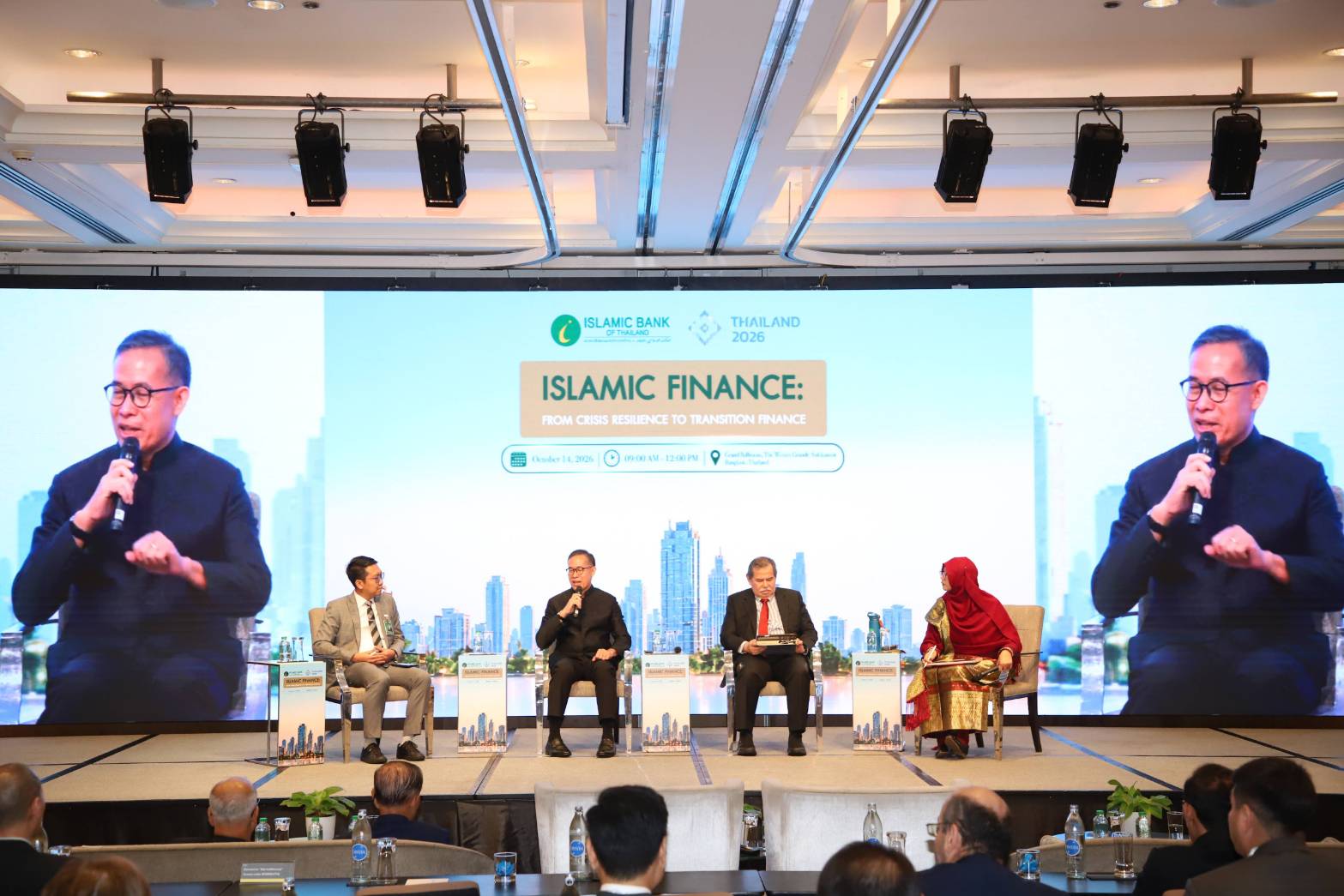
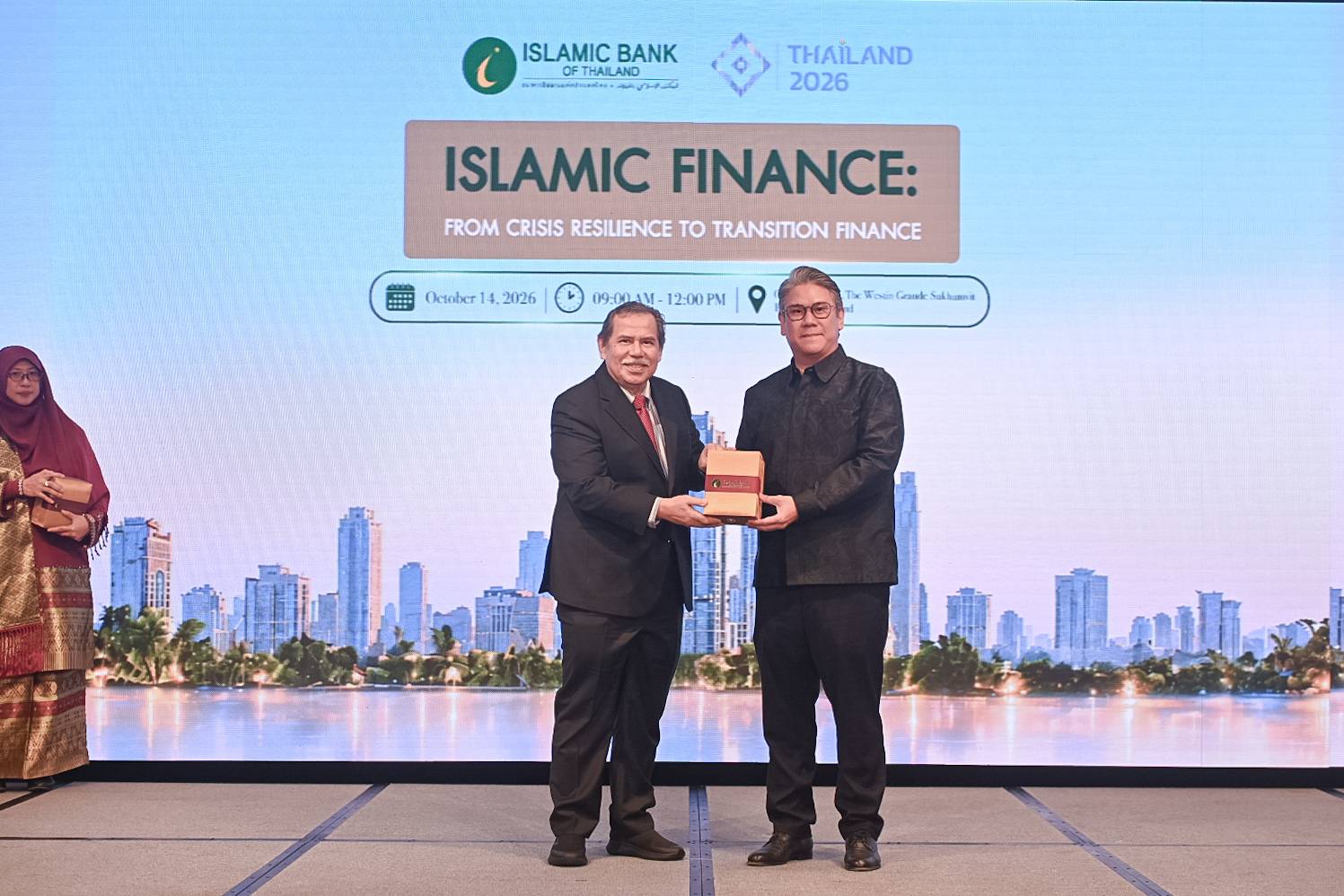
Another key session was the panel discussion, “Islamic Finance — From Resilience to Transition: Evidence, Instruments, and ASEAN’s Opportunity,” featuring Dr. Thaweelap Rittapirom; Mr. Arga M. Nugraha, Deputy President Director of Bank Syariah Nasional (BSN), Indonesia; and Professor Emeritus Dato’ Dr. Mohd Azmi Omar, President and Chief Executive Officer of INCEIF University, Malaysia. The discussion was moderated by Prof. Dr. Murniati Mukhlisin, representing IFESDC.
The panel explored three key dimensions of Islamic finance's future. The first focused on strengthening the resilience of financial institutions while expanding financial inclusion, particularly for SMEs and underserved communities. The second examined the practical application of Islamic financial instruments, including sukuk, risk-sharing finance, and Islamic social finance, to mobilize capital for infrastructure, clean energy, and sustainable economic development. The third addressed deeper ASEAN cooperation, including greater alignment of financial standards, the development of transition finance taxonomies, and credible measurement of economic, social, and environmental outcomes.
A central message emerging from the discussion was that the success of Islamic finance should not be measured solely by asset growth, but also by the value it creates for people, the resilience of communities, and its contribution to sustainable development. ASEAN has significant opportunities to strengthen collaboration among financial institutions, regulators, capital markets, and international development organizations to facilitate more effective capital mobilization and cross-border investment.
In his closing remarks, Dr. Thaweelap emphasized that the forum represented more than an exchange of perspectives. It marked the beginning of deeper cooperation among Thailand, ASEAN, the Middle East, and the wider global Islamic finance community. He underscored the importance of building on the knowledge and insights shared, developing practical avenues for collaboration, and translating Islamic finance principles into concrete initiatives that create new economic opportunities and contribute to sustainable growth in the years ahead.